
Cat Eye Infection: Common Signs and Treatment
A cat eye infection is an infection of the eye or surrounding tissues, or most commonly the conjunctiva, the thin membrane lining the eyelids and covering the white of the eye. Conjunctivitis is the most frequently diagnosed feline eye condition and can be caused by bacterial, viral, or other infectious agents.
Cat eye infections are one of the most common reasons cats visit veterinary offices, and they can affect cats of any age. This guide covers the signs to watch for, the most common causes, how veterinarians diagnose them, and what treatment involves.
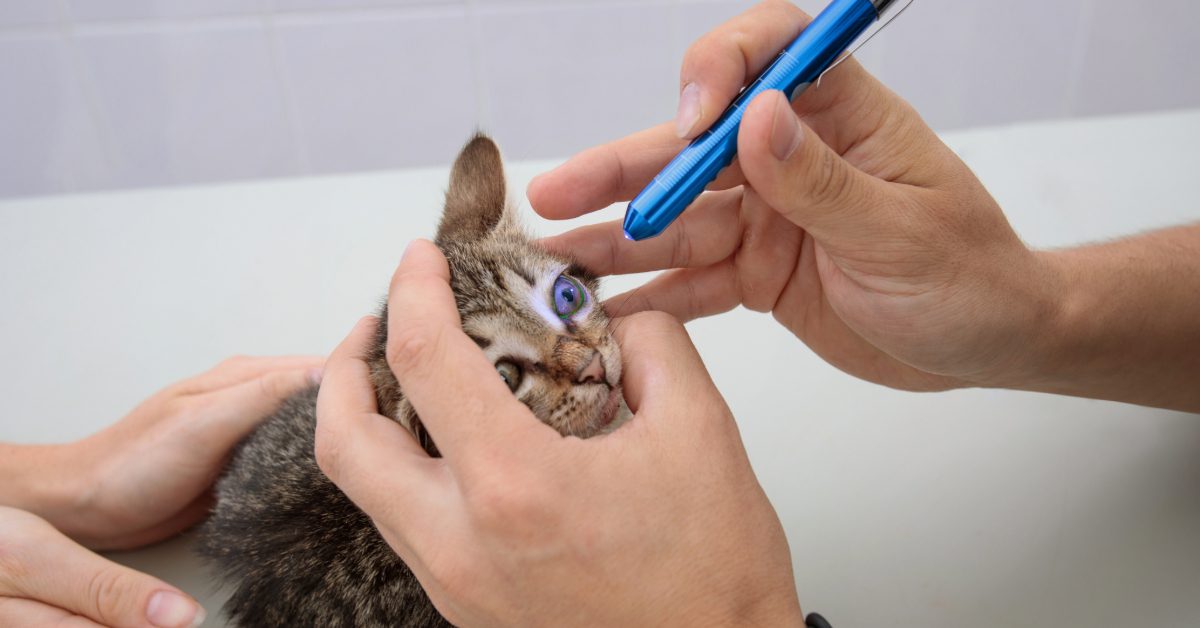
What Are the Signs of a Cat Eye Infection?
The signs of a cat eye infection range from easy to spot to easy to miss. Knowing the full picture helps you catch a problem early, before it worsens or causes lasting damage.
Common signs of a cat eye infection include:
- Discharge from one or both eyes, which may be clear, yellow, or green
- Redness or swelling of the conjunctiva or eyelids
- Squinting or keeping one eye partially closed
- Pawing at the eye or rubbing the face on furniture or carpet
- Cloudiness or haziness on the surface of the eye
- Crusting around the eyelids, especially after sleep
- Sensitivity to light
A single affected eye may point to a localized problem like a scratch or foreign body. Both eyes being affected is more common with systemic viral infections.
What Causes Cat Eye Infections?
Cat eye infections can be caused by viruses, bacteria, or other pathogens. Identifying the underlying cause is essential because treatment varies depending on what is responsible.
Feline Herpesvirus (FHV-1)
Feline herpesvirus type 1 is the most common cause of eye infections in cats. It is a highly contagious virus that affects the upper respiratory tract and eyes, and many cats are exposed as kittens and carry the virus for life. Stress, illness, or immune suppression can trigger flare-ups at any age, even in cats that have never shown eye symptoms before.
Chlamydophila felis
Chlamydophila felis is a bacterial pathogen that primarily causes conjunctivitis in cats. It is especially common in multi-cat households and shelters. Chlamydial infections often start in one eye before spreading to the other and are typically accompanied by discharge and redness.
Mycoplasma
Mycoplasma species are another bacterial cause of feline conjunctivitis, producing redness, discharge, and discomfort. They are frequently involved in chronic or recurring eye infections.
Feline Calicivirus
Feline calicivirus primarily affects the respiratory system but can also cause oral ulcers and occasional eye involvement. Cats with calicivirus typically show concurrent signs like sneezing and nasal discharge.
Other Causes
Non-infectious causes of cat eye problems include environmental irritants, allergies, foreign bodies in the eye, and anatomical issues like entropion (eyelid rolling inward). Secondary bacterial infections can develop after any injury or irritation to the eye.
How Is a Cat Eye Infection Diagnosed?
Diagnosis begins with a thorough eye examination, a review of your cat’s health history, and an assessment of any concurrent symptoms. Our veterinarians at North Royalton Animal Hospital use a combination of physical evaluation and targeted diagnostics to identify the cause.
Diagnostic tools may include:
- Fluorescein staining to check for corneal ulcers
- Conjunctival swabs for bacterial culture or PCR testing to identify herpesvirus or chlamydia
- Schirmer tear test to measure tear production and rule out dry eye
- Tonometry to measure intraocular pressure if glaucoma is a concern
In cats with chronic or recurring eye infections, pathogen identification helps guide targeted treatment and may reveal whether a systemic condition is contributing to the problem.
What Are Potential Cat Eye Infection Treatments?
Treatment for a cat eye infection depends on the cause and severity. Your veterinarian will recommend a plan based on the exam findings and any diagnostic results.
Viral Infections
There is no cure for feline herpesvirus, but antiviral medications such as famciclovir can reduce the severity and duration of flare-ups. Supportive care is an important part of managing herpes-related eye disease, and your veterinarian will advise whether additional supplements are appropriate for your individual cat.
Bacterial Infections
Bacterial cat eye infections, including those caused by Chlamydophila or Mycoplasma, are treated with antibiotics. Topical antibiotic eye drops or ointments are commonly prescribed and must be applied as directed for the full course of treatment. Systemic antibiotics may also be recommended in some cases.
Supportive Care
Regardless of the cause, keeping the area around your cat’s eyes clean and monitoring for improvement or worsening is important. Your veterinarian will advise on follow-up care and when to return if symptoms are not resolving as expected.
When Is a Cat Eye Problem an Emergency?
Seek immediate veterinary care if your cat is showing signs of severe eye pain, sudden vision changes, a rapidly swelling eye, or significant corneal cloudiness. Corneal ulcers, uveitis, and glaucoma can all cause permanent vision loss if not treated promptly. These are not situations where a wait-and-see approach is appropriate. North Royalton Animal Hospital is here to help cats in the North Royalton, OH area get the evaluation and treatment they need. Call us at (440) 237-7691 or request an appointment with our team if you have any concerns about your cat’s eyes.
How Do You Protect Your Cat’s Long-Term Eye Health?
Routine wellness exams are one of the most effective tools for protecting your cat’s vision and eye health. Many eye conditions develop gradually and are easiest to treat when caught early. Keeping your cat current on the FVRCP vaccine, which protects against herpesvirus and calicivirus, two of the most common infectious causes of cat eye infections, is an important part of prevention.
If your cat has a history of recurring eye problems, the veterinary team at North Royalton Animal Hospital can help you develop a long-term management plan. With the right care and monitoring, most cats with chronic eye conditions can live comfortably and maintain good vision throughout their lives.