Can Dogs Eat Asparagus?
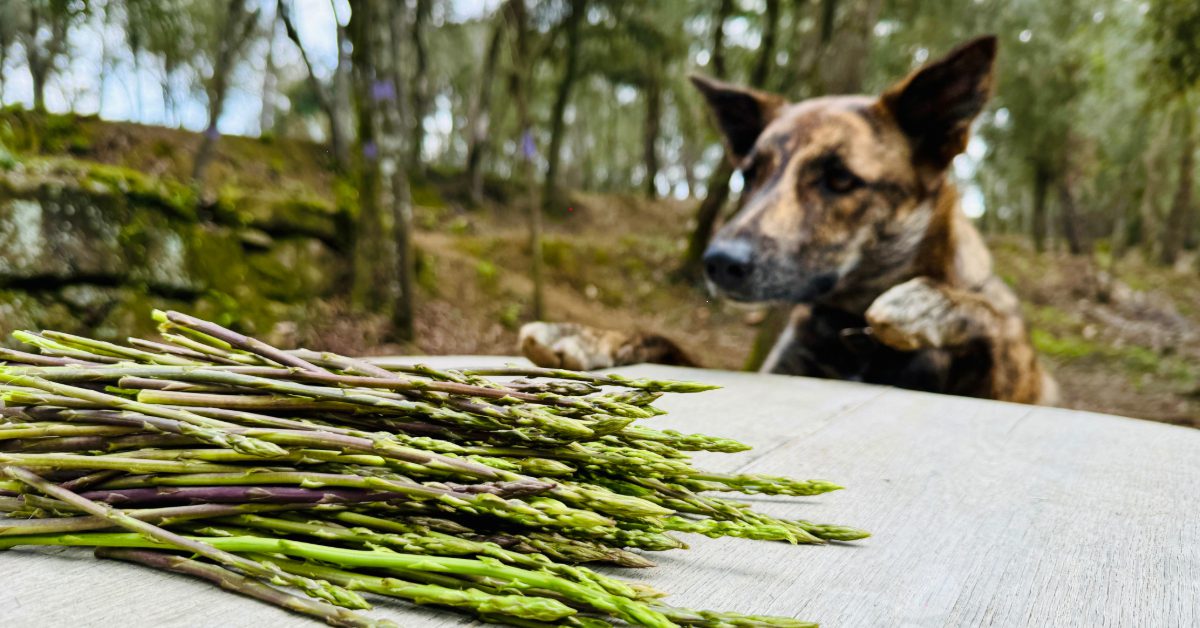
Yes, dogs can eat asparagus. It is not toxic to dogs and is generally considered safe in small amounts. Asparagus contains several vitamins and minerals that offer real nutritional value, but how you prepare it matters, and there are a few important details every dog owner should know before sharing this vegetable with their pet. Below, we’ll discuss everything you need to know about feeding asparagus to dogs: the benefits, the risks, how to prepare it safely, and which vegetables to avoid altogether.
Is Asparagus Safe for Dogs?
Asparagus is not listed as a toxic plant for dogs by the ASPCA. Dogs can eat it in small amounts without experiencing toxicity. That said, there is an important distinction to be aware of: edible asparagus and the asparagus fern are not the same thing.
The asparagus fern (a decorative plant sometimes found in gardens and homes) is toxic to dogs and can cause vomiting, diarrhea, and abdominal pain. If you are growing ornamental plants and are unsure whether they are the edible variety or the decorative fern, keep your dog away from them entirely.
What Are the Nutritional Benefits of Asparagus for Dogs?
Asparagus does contain nutrients that support overall health. Dogs on a complete and balanced commercial diet already receive what they need from their food, but asparagus can serve as a nutritious low-calorie treat.
Nutrients found in asparagus include:
- Vitamins A, C, E, and K, which support immune function, skin health, and blood clotting
- Folate, which is important for healthy cell function
- Fiber, which supports digestive health
- Potassium, which contributes to heart and muscle function
- Antioxidants, which help reduce oxidative stress
While these are genuine benefits, they are not a reason to make asparagus a dietary staple for your dog. Think of it as an occasional treat, not a nutritional supplement.
Can Dogs Eat Raw Asparagus?
Dogs can technically eat raw asparagus, but it is not the best option. Raw asparagus stalks are tough, fibrous, and difficult to chew and digest. Swallowing large or unchewed pieces increases the risk of choking and gastrointestinal upset, particularly in small dogs.
Lightly cooking asparagus, meaning steamed or boiled until tender, makes it significantly safer and easier for dogs to digest. Always prepare it plain, without any added salt, butter, oil, or seasoning.
How Do You Safely Feed Asparagus to Dogs?
Following a few simple guidelines makes asparagus a safer treat for your dog.
Prepare It Plainly
Cook asparagus without any salt, butter, oil, garlic, or onion. Many of the additions that make asparagus appealing to people are harmful to dogs. Garlic and onion are toxic to dogs; butter and oil add unnecessary fat. Plain, lightly steamed asparagus is always the safest choice.
Cut It Into Small Pieces
Whether the asparagus is cooked or raw, cut it into small, bite-sized pieces before offering it to your dog. This reduces the choking risk and makes it easier to digest. Smaller pieces are especially important for small breeds.
Serve It in Moderation
Asparagus, like all human foods offered to dogs, should be a small part of an overall balanced diet. Treats of any kind should make up no more than 10 percent of your dog’s daily caloric intake. Too much asparagus can cause loose stools or gas, a digestive response this vegetable is known to produce in both humans and dogs.
What Other Vegetables Can Dogs Eat?
If you enjoy sharing produce with your dog, several other vegetables are safe in moderation alongside asparagus:
- Carrots — low in calories and good for dental health
- Green beans — low calorie and fiber-rich
- Cucumber — hydrating and very low in calories
- Sweet potato — rich in vitamins A and C when cooked plain
- Broccoli — safe in small amounts, but large quantities can cause digestive upset
Always introduce any new food gradually and in small amounts, and watch for signs of digestive sensitivity or allergic reaction.
What Vegetables Are Toxic to Dogs?
Several vegetables are harmful to dogs and should never be offered, regardless of preparation method. Onions, garlic, leeks, and chives (all members of the allium family) are toxic to dogs and can damage red blood cells even in small or cooked amounts. Wild mushrooms can also be dangerous. If your dog eats something potentially toxic, contact your veterinarian at North Royalton Animal Hospital or the ASPCA Poison Control at (888) 426-4435 right away. Do not wait for symptoms to appear.
Have Questions About What Your Dog Can Eat?
Every dog has different nutritional needs based on age, weight, breed, and health history. Before adding new foods to your dog’s diet regularly, it is worth checking with your veterinarian to make sure it is a good fit for your specific pet.
The team at North Royalton Animal Hospital in North Royalton, OH is happy to answer questions about dog nutrition and safe food choices. Whether you are curious about asparagus or any other ingredient, our veterinarians are here to give you evidence-based guidance that supports your dog’s long-term health. Give us a call at (440) 237-7691 or request an appointment today.