

When Curiosity Turns Dangerous: Foreign Body Surgery in Pets
Dogs and cats explore their world with their mouths, and while that curiosity can be endearing, it can also lead to serious danger. Swallowed toys, bones, strings, or clothing items can cause intestinal blockages that threaten a pet’s life if not treated promptly. Recognizing the early warning signs- such as vomiting, lethargy, or loss of appetite- can make the difference between a quick recovery and a life-threatening emergency.
At North Royalton Animal Hospital, we see these cases often. As an AAHA-accredited, Fear Free Certified, and Cat-Friendly Gold practice, our team combines advanced medical technology with calm, compassionate urgent and emergency care to ensure your pet’s safety and comfort throughout diagnosis, surgery, and recovery.
Recognizing the Warning Signs of Foreign Body Ingestion
One moment your dog is happily playing with their favorite toy, and the next, you realize part of it is missing. Or your cat has been batting around a hair tie that’s suddenly nowhere to be found. These situations happen more often than you might think- and early intervention is key.
Common warning signs include:
- Repeated vomiting or retching
- Loss of appetite or refusal to eat
- Abdominal discomfort or crying when touched
- Straining to defecate or producing little stool
- Sudden lethargy or hiding behavior
Even mild signs can indicate a serious problem. If your pet vomits more than once, refuses food for over 24 hours, or seems unusually weak, seek veterinary care immediately. Obstructions can worsen rapidly, sometimes within hours.
Understanding Types of Intestinal Blockages
Not all obstructions are the same. Understanding how they differ can help you see why urgent care is so important.
- Complete obstructions block the intestinal tract entirely. Food, water, and gas cannot pass, leading to dehydration, electrolyte imbalance, and tissue death.
- Partial obstructions allow small amounts of material to move through, causing intermittent vomiting or subtle weight loss. Because symptoms come and go, these are often mistaken for mild stomach upset until the condition worsens.
- Linear foreign bodies (like string, dental floss, or ribbon) are especially dangerous. They can anchor under the tongue or in the stomach while the intestines contract, causing the bowel to fold or tear- a medical emergency known as intestinal plication.
The longer an obstruction remains, the higher the risk of severe tissue damage or sepsis.
Why Time Is Critical
When it comes to foreign body ingestion, timing truly determines the outcome. In the first few hours, some objects can be retrieved safely through induced vomiting or endoscopy. Once they move beyond the stomach, surgical removal is often the only option.
As the blockage persists, blood flow to the intestines becomes compromised, leading to necrosis (tissue death). A straightforward procedure can quickly turn into a complex surgery involving removal and reconnection of intestinal segments.
Common hazardous household items for pets include small children’s toys, hair ties, corn cobs, magnets, kebab skewers, socks, and coins. Pet-proofing your home can help prevent these emergencies before they start.
How Veterinarians Diagnose Foreign Bodies
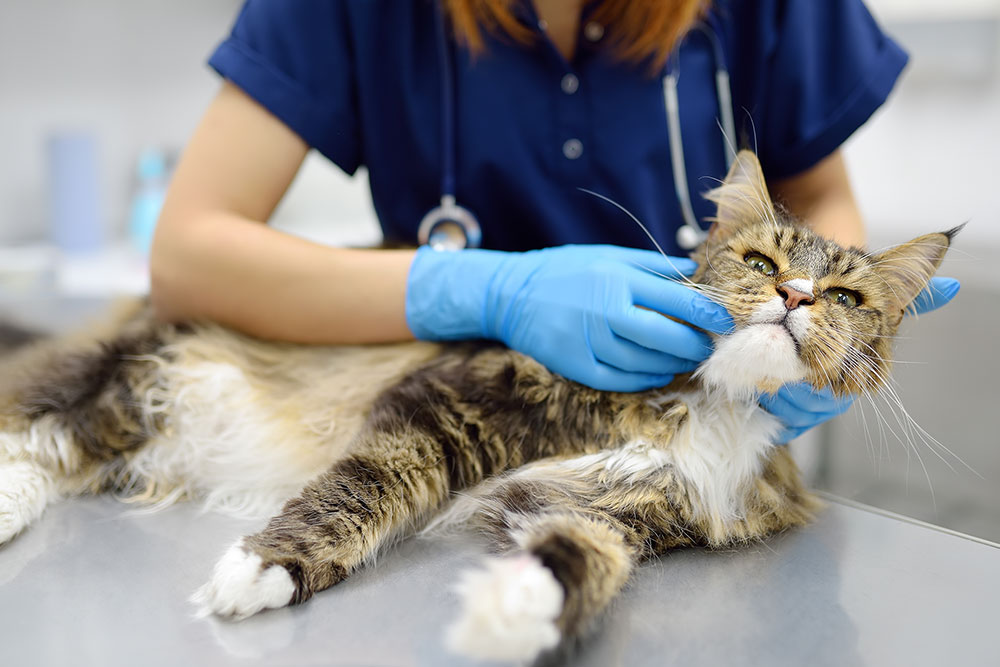
When you bring your pet to our urgent and emergency veterinary care team, we begin with a full physical exam and stabilization. Pets are often dehydrated or painful, so fluids and pain management come first.
Imaging and Testing
- Radiographs (X-rays) show gas patterns, blockages, or metallic objects.
- Ultrasound helps visualize softer materials like cloth or plastic and assess intestinal health.
- Bloodwork checks for dehydration, electrolyte imbalance, and organ function.
Our advanced diagnostic services and experienced team ensure results are available quickly, allowing treatment to begin without delay.
Treatment Options: Non-Surgical and Surgical
Inducing Vomiting or Endoscopy
If your pet is examined soon after ingestion, we may be able to safely induce vomiting or use an endoscope to retrieve the object. Veterinary endoscopy uses a flexible camera-equipped tube to remove foreign bodies from the stomach or upper intestines without major surgery.
Surgical Removal
When the object is lodged deeper or causing a complete obstruction, surgery is required. Our veterinarians perform procedures such as:
- Gastrotomy (removal from the stomach)
- Enterotomy (opening the intestines to remove the object)
- Resection and anastomosis (removing damaged intestine and reconnecting healthy sections)
We follow gold-standard surgical protocols- carefully monitoring anesthesia, maintaining sterile technique, and providing advanced pain control to keep pets comfortable.
Recovery and Post-Surgical Care
Surgery is only the beginning of recovery. Post-operative management in our ICU includes IV fluids, antibiotics, pain medication, and frequent monitoring to ensure your pet stabilizes safely. Most pets remain hospitalized for one to three days, depending on the complexity of surgery and their recovery speed.
Once home, owners play a vital role in healing:
- Keep pets calm and confined for 10–14 days
- Use a protective cone to prevent licking the incision
- Feed small, bland meals until normal digestion returns
- Watch for signs of swelling, discharge, or loss of appetite
Cats and dogs benefit from gentle enrichment during rest periods. Enrichment activities such as puzzle feeders keep their minds occupied. Following crate rest tips can also make the healing phase less stressful.
Potential Complications
Even with expert care, complications can occur. These may include:
- Suture breakdown or leakage leading to infection
- Ileus, a temporary lack of intestinal movement causing nausea
- Peritonitis, a life-threatening infection from intestinal rupture
- Short bowel syndrome, when large sections of intestine are removed
Fortunately, close postoperative monitoring and prompt response minimize these risks. Our dedicated nursing team observes every patient carefully during hospitalization and provides updates so owners stay informed every step of the way.
Prevention and Long-Term Safety
The best treatment is prevention. Supervise pets during playtime, choose sturdy, size-appropriate toys, and avoid leaving tempting items within reach. For dogs prone to eating non-food objects (a behavior called pica), behavioral training and structured activity through our Paws at Play doggie daycare can reduce boredom-driven chewing.
Preventing pet emergencies starts with preparation. Keep emergency numbers saved in your phone, and know where to go if something happens after hours. Pet-proofing your home is critical for pets that like to explore their world with their mouth.
Financial preparedness also matters- pet insurance and an emergency savings fund can make all the difference when urgent surgery is needed. Understanding what pet insurance covers helps you choose the best plan for your family. North Royalton also offers flexible payment plans to ensure your pet can get care when they need it most.
At North Royalton Animal Hospital, we’re proud to support our community through Molly’s Mission, a fund that assists families with unexpected veterinary costs. Compassion is at the heart of what we do, and we believe financial challenges should never stand in the way of a pet’s care.
A Safe Return to Normal Life
With early recognition, prompt treatment, and attentive post-surgical care, most pets recover fully after foreign body surgery. Once healed, many return to their playful, curious selves- hopefully a little wiser about what not to eat.
If you ever suspect your pet has swallowed something they shouldn’t have, contact our emergency care team immediately. We’ll guide you through next steps, from at-home monitoring to same-day surgical intervention if needed.
And for pets needing extra supervision or safe, stimulating playtime, our Paws at Play Resort offers luxury boarding, daycare, and grooming with veterinary professionals on-site.
North Royalton Animal Hospital is always here for you and your pet- because when curiosity turns dangerous, every second counts. Contact us today if you’re worried that your pet ate something they shouldn’t have, or if you’d like to talk about preventing emergencies- we’re here for you.


Leave A Comment