

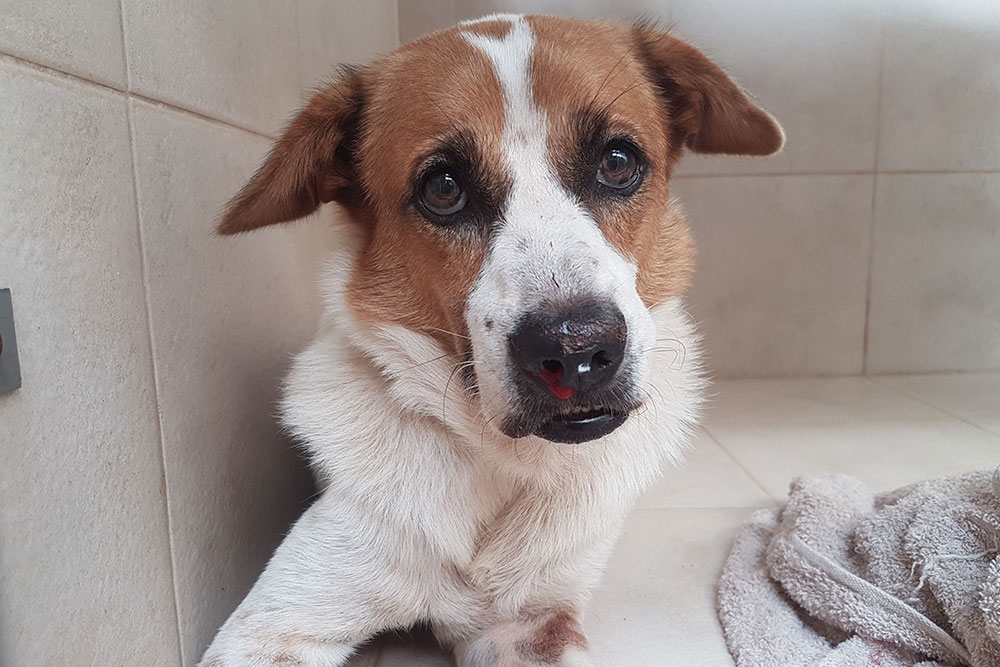
Autoimmune Blood Disorders Explained: Symptoms, Diagnosis, and Treatment
Autoimmune blood diseases can appear suddenly, often beginning with pale gums, unusual bruising, weakness, or changes in breathing. These early signs can be deeply worrying for families, especially when a pet who is normally energetic seems tired or unsteady. At North Royalton Animal Hospital, we evaluate these symptoms with the same thorough, compassionate approach that guides all of our care. Our team uses advanced diagnostics to identify whether the immune system is attacking red blood cells, platelets, or both, and we move quickly to support pets who are showing signs of instability. When pets need more immediate attention, North Royalton Animal Hospital provides emergency care during open hours so families do not have to wait when their pet is showing rapid changes.
Because these conditions often require close monitoring, many families appreciate having clear next steps and a team that stays with them through each stage. Same day help is available so we can begin diagnostics right away, and our doctors guide each case with the careful attention these illnesses require. If you are noticing concerning symptoms or feel uncertain about what your pet is experiencing, contact us so we can help your pet get the timely, individualized care that protects their comfort, safety, and long term health.
When the Immune System Turns Against Itself
Think of your pet’s immune system as a security team that usually protects the body. Sometimes it misfires and attacks healthy blood cells. When red blood cells are targeted, pets become anemic. When platelets are targeted, they cannot create blood clots properly and pets bruise or bleed easily. Some pets experience both at the same time.
Autoimmune blood diseases can be primary (no clear trigger) or secondary to infections, certain medications, cancer, or other illnesses. Cats can also develop these auto-immune reactions, though less often than dogs.
Certain breeds show higher risk for immune-mediated diseases, including Cocker Spaniels, English Springer Spaniels, Miniature Schnauzers, and Poodles, which is why breed-aware owners should watch closely for any signs of lethargy or pale gums. We evaluate each case individually and focus on practical, pet-owner-friendly care.
There are two types of auto-immune blood diseases that are most common in pets:
Immune-Mediated Hemolytic Anemia (Red Blood Cells Under Attack)
Immune-mediated hemolytic anemia happens when the body destroys red blood cells faster than it can replace them. Pets can look tired, avoid stairs or play, breathe faster, or have pale or yellow gums. Dark urine and low appetite can also appear.
Tick-borne diseases are an important trigger for IMHA that we always investigate. Infections like Ehrlichia and Anaplasma can provoke immune responses that destroy red blood cells. IMHA secondary to Babesia has been documented in dogs, highlighting why tick testing is essential when diagnosing anemia. Identifying and treating these underlying infections can sometimes resolve the immune attack.
Beyond the anemia itself, dogs with IMHA face another serious complication. Blood clotting problems in dogs with IMHA create a paradoxical risk: while the body destroys red blood cells, it also struggles to break down clots properly. This means affected dogs can develop dangerous blood clots (thrombi) in their lungs, abdomen, or limbs even while being treated. We monitor closely for signs of clotting complications including sudden breathing difficulty, limb pain or swelling, or collapse, and may use medications to reduce clotting risk in high-risk cases.
This condition can progress quickly and needs immediate care. Many pets do well with early treatment. We offer urgent and emergency veterinary care during business hours to assess and stabilize anemic pets right away.
Immune-Mediated Thrombocytopenia (When Blood Won’t Clot Properly)
Immune-mediated thrombocytopenia occurs when the immune system destroys platelets. Without platelets, blood doesn’t clot well, so even minor bumps can cause bleeding.
Watch for:
Bruising without a clear injury, especially on the belly or inner legs
- Tiny red or purple dots on gums or skin
- Nosebleeds, blood in urine or stool, or bleeding that lasts longer than expected
With early care and immunosuppressive medication, many pets recover fully. We use thorough yet gentle testing to confirm platelet issues and keep pets as calm and comfortable as possible.
When Multiple Blood Cell Types Are Affected
Some pets face concurrent immune-mediated conditions that affect both red cells and platelets. These pets may have signs of anemia and bleeding at the same time and often need closer monitoring. Experienced teams can manage both conditions together and adjust medications based on response.
We coordinate care from stabilization through long-term management, keeping you informed and supported at every step.
How We Identify Autoimmune Blood Diseases
Diagnosis starts with your observations and a thorough exam. We check gum color, look for bruising, listen to the heart and lungs, and assess energy and comfort.
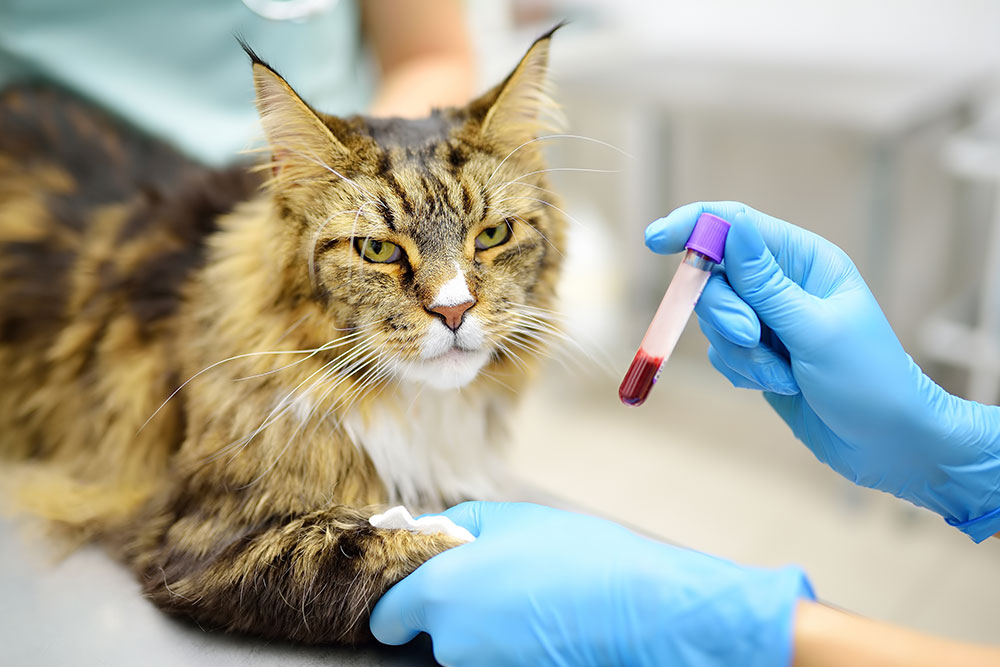
Core tests include a complete blood count and a blood smear to examine cell numbers and appearance. These show whether red cells or platelets are low and provide clues about immune destruction. Depending on the case, we may use:
- Coombs testing to look for antibodies on red blood cells
- Platelet-focused antibody screening when appropriate
- Reticulocyte counts to see if the bone marrow is responding
- Chemistry panels to assess organ function
- Tick-borne disease testing to identify infections that may have triggered the immune response
We also look for triggers with imaging, infectious disease testing, or cancer screening, because addressing an underlying cause can resolve the blood problem. With in-house lab work, digital radiology, and ultrasound, we can begin testing promptly- often the same day.
Treatment: Stabilize, Suppress, and Support
Treatment aims to stop the immune attack and support your pet while blood counts recover. Many pets start with hospital care, then transition home with close follow-up.
- Corticosteroids are the mainstay to suppress the immune response.
- Some pets need additional medications if steroid response is slow or side effects occur.
- Supportive care may include IV fluids, oxygen, stomach protectants, and careful monitoring.
- For dogs with IMHA at high risk for blood clots, anti-clotting medications may be added to prevent thrombosis.
For severe anemia, blood transfusions can stabilize pets while medications take effect. We tailor plans to each pet’s condition and adjust based on lab results and how your pet is feeling.
What Recovery Looks Like
Many pets reach remission, with blood counts returning to normal and staying stable. Some can taper off medications; others need long-term therapy to prevent relapse. Most show improvement within a week, with full stabilization taking longer.
Positive signs include:
- Better appetite
- More energy and interest in play
- Gums returning to healthy pink
- Easier breathing
- Bruising or bleeding resolving
Relapses can happen, especially if medications are reduced too quickly or a trigger remains. Early recognition allows quick adjustments and helps keep your pet stable.
We stay connected with families throughout treatment, guide medication changes, and share what to watch for at home so you feel confident between visits.
Home Care: Simple Steps That Make a Big Difference
After discharge, you’re a key part of your pet’s care. Give medications exactly as directed and keep a calm routine. Avoid rough play or anything that could cause bruising while platelets recover. Provide fresh water and plan for more bathroom breaks if medications increase thirst.
Daily check-in checklist:
- Look at gum color morning and evening
- Check for new bruising, especially on the belly
- Note energy and appetite
- Watch for any bleeding
- Check urine and stool for blood
- Monitor for sudden breathing difficulty, limb swelling, or collapse (signs of blood clots)
Keep a brief journal so you can share trends with your veterinarian. Don’t wait for your next appointment if something concerns you- reach out. We’d rather reassure you early than see a small issue turn into an emergency.
FAQs
What’s the difference between anemia and thrombocytopenia?
Anemia is low red blood cells, so oxygen delivery drops. Thrombocytopenia is low platelets, so clotting is poor and bruising or bleeding occurs.
Is this curable?
Many pets reach remission and live normal lives. Some need ongoing medication, and relapses can occur, but early care improves outcomes.
How fast should I act?
If you see pale gums, unusual bruising, weakness, or fast breathing, seek care right away. Early evaluation improves safety and recovery.
Will my pet need a transfusion?
Severe anemia sometimes needs a transfusion to stabilize while medications work. Your veterinarian will recommend this if it’s the safest option.
Can tick prevention help prevent IMHA?
Year-round tick prevention reduces exposure to tick-borne diseases that can trigger IMHA. While it doesn’t prevent all cases, it eliminates one important risk factor.
Your Partner in Immune Health and Recovery
Autoimmune blood diseases can be frightening, but prompt, compassionate care makes a real difference. We combine advanced diagnostics, evidence-based treatment, and hands-on support for pets and families. Our AAHA certification and internal medicine training mean your pet receives the expert attention they need.
If you notice pale gums, bruising, weakness, or other concerning signs, request an appointment or contact us today. We’re here to answer questions, guide next steps, and be your partner in your pet’s recovery. Schedule now- your pet’s comfort, safety, and long-term health are our priority.




Leave A Comment