

Chronic Vomiting in Pets: When It’s More Than a “Sensitive Stomach”
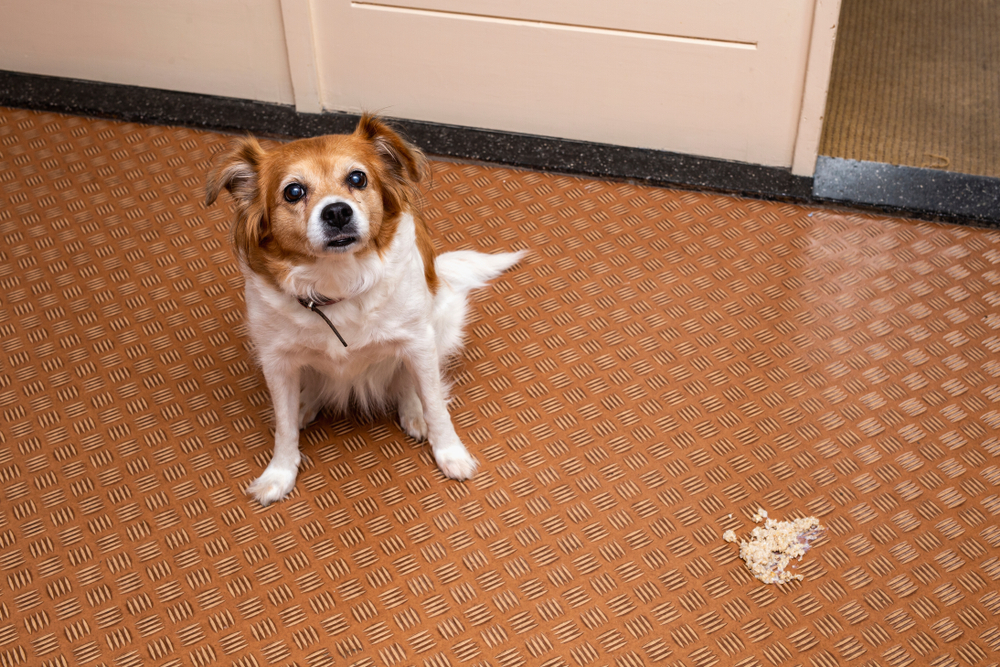
When your dog or cat throws up, it’s usually just a messy inconvenience. Maybe they ate too fast, played too hard after dinner, or found a mystery snack behind the couch. But when vomiting keeps happening- week after week, month after month- it changes everything. You start wondering what’s really going on. You feel worn down by the constant cleanups and the nagging worry that something might be seriously wrong.
If you’re asking yourself whether your pet’s vomiting is normal or something to worry about, you’re not alone, and you’re right to pay attention. Persistent or chronic vomiting signals an underlying issue that deserves careful investigation. While finding answers can involve multiple steps, identifying the cause is the key to restoring your pet’s comfort and your peace of mind.
At North Royalton Vet, we take a systematic, compassionate approach to chronic vomiting cases. As a general practice in North Royalton, OH devoted to dogs and cats, our team guides you through each stage- from targeted testing and food trials to advanced diagnostics when needed. Our comprehensive diagnostic services include imaging and lab work to pinpoint the problem and provide clear next steps. If your pet is vomiting regularly, please request an appointment so we can start working toward answers.
How Do You Know When Vomiting Is Serious?
Not every episode of vomiting means something is wrong. Cats occasionally bring up hairballs, and dogs sometimes have an isolated upset stomach after eating grass or sampling the trash can. These one-off events usually resolve on their own.
Chronic vomiting is different. It’s repeated vomiting that persists over weeks or months, and it warrants investigation.
Warning signs that vomiting needs prompt evaluation:
- Unexplained weight loss
- Decreased energy or activity level
- Changes in drinking or urination patterns
- Concurrent diarrhea
- Blood in vomit or a coffee-ground appearance
- Abdominal pain or sensitivity when touched
- Vomiting that worsens with age
These signs can point to broader health issues, including problems that become more common with age. Paying attention to senior pet health concerns helps catch conditions early when they’re most treatable.
Routine wellness visits establish baselines for comparison, making it easier to spot when something has changed. If you’re uncertain whether your pet’s symptoms are minor or meaningful, our cat-friendly team is here to help you decide on next steps.
What Causes Chronic Vomiting in Pets?
Every pet’s situation is unique, and multiple factors can contribute. We start with the most likely causes and refine our approach as test results guide us.
Can Food Trigger Chronic Vomiting?
Yes- and this surprises many pet owners. Food allergies and intolerances can develop even after years on the same diet. Food allergies involve an immune overreaction to specific proteins, while food intolerances cause digestive upset without immune involvement. Either can lead to ongoing GI symptoms.
Dietary indiscretion also plays a role. Trash raids, fatty table scraps, rotating treats, and access to other pets’ food can keep the stomach chronically irritated. Thoughtful attention to choosing pet food and maintaining consistency reduces flare-ups.
Tips for diet-related vomiting:
- Avoid dramatic food switches; transition gradually over 5 to 7 days
- Keep treats simple and limited; skip fatty or spicy human foods
- Prevent access to compost, trash, and other pets’ meals
- Track everything your pet eats, including flavored medications
When Do Organs Outside the Gut Cause Vomiting?
Vomiting sometimes originates from organs other than the stomach or intestines. Bloodwork and urine tests often point us in the right direction.
Chronic kidney disease is especially common in cats and can cause daily vomiting along with weight loss and increased thirst. Liver problems ranging from gall bladder disease to chronic hepatitis affect digestion and toxin processing- liver disease in dogs often shows up as vomiting before other symptoms become obvious.
Endocrine conditions also disrupt digestion. Feline hyperthyroidism revs up metabolism and frequently causes vomiting in older cats. Pancreatitis– inflammation of the pancreas- can be acute or chronic and often triggers repeated vomiting episodes.
Identifying these conditions early allows us to tailor therapy and improve comfort quickly. Our in-house diagnostic capabilities through our services include comprehensive blood panels that screen for organ dysfunction.
What GI Conditions Cause Chronic Vomiting?
Some disorders primarily affect the digestive tract itself and require targeted diagnostics to confirm.
Inflammatory bowel disease causes chronic gut inflammation that interferes with nutrient absorption and triggers vomiting. GI obstructions from swallowed objects can cause obvious emergencies, but partial obstructions sometimes create waxing and waning symptoms that are harder to pin down.
Gastric ulcers from toxins or long-term NSAID use irritate the stomach lining. Motility issues like megaesophagus cause regurgitation rather than true vomiting- the food comes back up passively, often looking undigested. Bilious vomiting syndrome causes early-morning yellow bile vomiting when the stomach sits empty too long. Pyloric stenosis slows food movement out of the stomach.
Cancer, including lymphoma, becomes more likely in older pets and can mimic other conditions for months before diagnosis. Imaging and biopsies help us differentiate these conditions and guide appropriate treatment.
Can Eating Too Fast or Stress Cause Vomiting?
The “Scarf and Barf” Phenomenon
Some pets inhale their food so quickly it comes right back up, often looking almost undigested. This is especially common in multi-pet households where food competition exists, or in pets with a history of food insecurity.
Solutions for fast eaters:
- Use puzzle feeders or slow-feed bowls- interactive feeders turn mealtime into mental enrichment
- Feed smaller, more frequent meals throughout the day
- Spread food across a muffin tin or flat surface to slow intake
- Feed pets in separate rooms to reduce competition
Stress-Related Vomiting
Pets can absolutely vomit from stress and anxiety. Routine changes, new family members (human or animal), construction noise, travel, and household tension can all trigger GI upset. Cats are particularly prone to feline stress-related vomiting.
Signs that stress might be contributing include vomiting that coincides with specific events, other anxiety behaviors like hiding or overgrooming, and improvement when stressors are removed. Addressing stress can sometimes be the missing piece when vomiting hasn’t fully responded to other treatments.
How Do Veterinarians Diagnose Chronic Vomiting?
Diagnosis begins with a thorough examination and detailed history about timing, frequency, what the vomit looks like, and any diet or behavior changes you’ve noticed. From there, we build a diagnostic plan.
Baseline tests typically include:
- Bloodwork to evaluate organ function, hydration status, and signs of infection or inflammation
- Urinalysis to assess kidney health and screen for infection
- Fecal testing to check for parasites that can cause chronic GI upset
- Imaging like radiographs or ultrasound to visualize the stomach, intestines, liver, pancreas, and kidneys
Our in-house digital radiology and ultrasound capabilities through our services allow us to get answers quickly and keep you informed every step of the way.
When Is a Food Trial the Right Next Step?
When initial tests don’t explain the vomiting, a structured diet trial is often the next step. This can be both diagnostic and therapeutic.
How Food Trials Work
A food trial means feeding only a prescribed diet- either a novel protein your pet has never eaten, or a hydrolyzed diet with proteins broken down small enough to avoid triggering an immune reaction. The goal is to calm the gut and determine whether food ingredients were the problem.
Rules for a successful trial:
- Feed only the recommended diet for 3 to 4 weeks for GI symptoms (up to 8 to 12 weeks if skin issues are also present)
- No treats, table food, flavored chews, or food-sharing with other pets
- Confirm all medications are unflavored or compatible with the trial
- Keep a daily log of vomiting episodes, appetite, and stool quality
Over-the-counter “limited ingredient” foods aren’t reliable for diagnostic trials due to cross-contamination during manufacturing. We help select verified therapeutic diets through our nutritional consultation services.
Interpreting Results
If vomiting improves during the trial and returns when you reintroduce the original diet, food sensitivity is likely the cause. Long-term management means maintaining diet consistency.
If there’s no improvement despite perfect compliance, we pivot toward investigating primary GI disease, systemic illness, or structural issues. Either outcome provides valuable information that guides the next decision.
When Are Biopsies Needed?
Some pets need deeper investigation to identify the cause of persistent vomiting.
Endoscopy: A Minimally Invasive Option
Endoscopy uses a flexible camera to visualize the esophagus, stomach, and upper small intestine directly. It allows us to collect small tissue samples to evaluate for IBD, infection, or cancer.
Endoscopy is performed under anesthesia with generally quick recovery. It’s appropriate when initial tests and food trials don’t resolve vomiting, or when imaging suggests disease in the gut lining that needs tissue confirmation.
We coordinate endoscopy through our network of trusted specialists when indicated, managing referrals seamlessly.
When Surgery Provides Better Answers
Exploratory surgery (laparotomy) allows direct visualization of abdominal organs, hands-on evaluation of masses or obstructions, and collection of full-thickness GI biopsy samples from multiple locations.
Surgery is recommended when imaging suggests abnormalities needing hands-on evaluation, when tissue samples are needed from areas endoscopy can’t reach, or when full-thickness biopsies will provide more diagnostic information than surface samples alone.
Our doctors provide expert surgical care for everything from foreign body removals to GI biopsies, with personalized anesthetic protocols and pain management.
What Biopsies Reveal
Biopsies distinguish between IBD, lymphoma, other cancers, infections, and different inflammatory patterns. Endoscopic samples evaluate the surface lining, while surgical biopsies access deeper tissue that may reveal problems endoscopy misses. Accurate diagnosis enables targeted treatment rather than trial-and-error guessing.
What Does Treatment Look Like?
Treatment depends entirely on diagnosis, and we tailor therapy to each pet’s specific situation.
Managing Food-Responsive Vomiting
If food sensitivity is confirmed, treatment means maintaining the diet that works. Practical considerations include establishing house rules about treats and table food, navigating multi-pet households where food-stealing is possible, and preparing for travel and holidays when routine gets disrupted.
Treating Inflammatory Bowel Disease
IBD usually requires a combination approach: anti-inflammatory or immune-modulating medications, continued diet adjustments, probiotics to support gut health, and targeted antibiotics only when specifically indicated. Treatment is individualized because pets respond differently, and we adjust based on how your pet does over time.
Addressing Systemic Causes
When organ disease is driving the vomiting, treatment focuses there. Kidney disease management includes hydration support, specialized diets, and medications to control symptoms. Hyperthyroidism in cats responds to medication, radioactive iodine therapy, or surgery. Pancreatitis requires pain relief, anti-nausea care, and careful diet management. Treating the core problem often resolves or significantly improves vomiting.
How Can You Help During the Diagnostic Process?
Your observations are invaluable. Keeping a symptom diary that tracks timing, vomit appearance, diet, and behavior changes helps us spot patterns. Photos of vomit (we know, not pleasant) can help us assess volume, color, and whether foreign material is present.
Helpful steps at home:
- Encourage hydration throughout the day
- Follow medication schedules precisely- phone reminders help
- Maintain calm routines and avoid intense activity right after meals
- Call promptly if your pet stops eating, becomes lethargic, seems painful, or vomits more frequently
Questions and updates between visits are always welcome. If symptoms worsen, please contact us for guidance- same-day evaluations are often available.
Frequently Asked Questions
How do I know if vomiting is an emergency?
Seek immediate care if your pet vomits blood, can’t keep water down, shows signs of pain or bloating, becomes extremely lethargic, or tries repeatedly to vomit without producing anything. These can signal serious conditions requiring urgent intervention.
What’s the difference between regurgitation and vomiting?
Vomiting involves active abdominal contractions- your pet’s body is working to expel stomach contents. Regurgitation is passive, with food coming back up without effort, often looking undigested. The distinction matters because they have different causes.
Can food allergies develop suddenly?
Yes. Pets can become allergic to proteins they’ve eaten for years. The immune system can sensitize over time, so a food that was fine for a decade can suddenly become problematic.
How soon will a diet trial help?
Most pets with food-responsive vomiting show improvement within 2 to 4 weeks on a strict elimination diet. Full resolution may take longer, and maintaining improvement requires ongoing diet consistency.
Will my pet definitely need a biopsy?
Not always. Many cases resolve with diet changes or treatment for systemic conditions found on bloodwork. Biopsies are reserved for cases where initial approaches don’t provide answers or when we need to distinguish between conditions that require different treatments.
Finding Answers and Restoring Comfort
Chronic vomiting is exhausting to live with- for you and your pet. But it’s a solvable problem when approached systematically. From initial testing to structured food trials to advanced diagnostics like biopsy, each step brings clarity and moves your pet toward feeling better.
Our team at North Royalton Vet is committed to a thorough, gentle process that respects your concerns and supports your pet’s health. We won’t rush to conclusions, but we won’t leave you waiting without guidance either.
If your dog or cat is vomiting regularly, we’re ready to help you find answers. Please request an appointment or contact us with questions. For families who need pet care support during medical workups, our on-site Paws at Play offers trusted boarding and enrichment-focused doggie daycare with veterinary professionals nearby.
We’re here to guide you through each decision, ease your worry, and help your pet feel well again.



Leave A Comment